Put In a Box
With today’s medical advances, we have made some societal improvements accepting intersex people. Though the medical system and society still have a lot to work on in terms of treating intersex people with the dignity and respect all people deserve, it does not compare to what many people had to endure at the hands of colonial America. One of these people whose court case documents survived until today, born Thomasine Hall, and went by Thomas at different points in their life, lived outside of the strict gender expectations of the 17th century, in both Europe and Colonial Virginia. I will be referring to Thomas/Thomasine with “they/them” pronouns, because they switched between using both she/her and he/him throughout their life.
Thomasine switched between presenting as a man or woman depending on her situation, specifically where she wanted to go to work because of how strictly gendered labor was. Born in January 1603/04 in Britain to a coal worker, they were assigned female at birth, so they were raised learning what was considered “women’s work”, which includes domestic labor, sewing, etc. Specifically, when Thomasine was 12, they were sent to live with their aunt in London, where they continued to learn more skills in women’s labor. But when Britain became involved in the European wars their brother was drafted, Thomasine made the choice to go by Thomas, present as male, and go to war with their brother. The courts recorded “cut of his heire and Changed his apparell into the fashion of man”.13 It is assumed by historians that it was easier for Thomas to present as either gender because they were intersex.
After becoming a soldier, Thomas returned to England and again according to the courts “hee changed himselfe into woemans apparell and made bone lace and did other worke with his needle.” Eventually they decided to go to Colonial America, but the easiest way to go about this when you didn’t have the money, was to become an indentured servant. Thomasine changed back to presenting as a man for the embarkment to the British colonies in America; after arriving they became a servant to two men on a plantation. At some point after arriving they began dressing feminine again and the plantation owners assumed Thomasine was a woman.
Not long after arriving rumors began to spread that they were having a relationship with a woman. This also caused speculation about their gender, and the landowner they worked for questioned them. Thomasine stated “hee was both man and woeman.” Further adding to the town’s suspicions, Thomasine was wearing both men’s and women’s clothing, switching between the two. At the time in colonial America and much of Europe it was absolutely not socially acceptable to live outside of the strict gender rules. It was known that intersex people exist, but that did not mean you were excluded from the gender binary. In many different situations, for some reason it was thought to be necessary and ethical for have examinations preformed on people’s bodies, typically done by a group of women, this included situations like sexual assault, witchcraft, and determining a person’s sex. Unfortunately, this was something Thomas was subject to on four separate occasions.
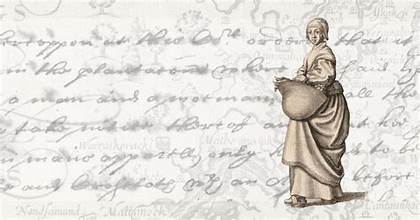
Physical evidence shows most local women believed Thomas was a man, but many of the men were divided. Which is what brought on the court case and many inspections. The outcome of the trial however states, “It shall bee published in the plantation where the said Hall lyveth that hee is a man and a woeman.” This trial was greatly shaped by the colonial setting and how English common law was adapted.
After Thomas was determined to be both a man and a woman, they were also instructed to wear both men and women’s clothing. The court choosing to defy the gender binary was acceptable at the time and is assumed to have been done to mark Thomasine and have social control. In a way warning others not to do the same. Mixing mens and womans clothing was not done at this time, women were still not socially, and even in some places legally, allowed to wear pants. So, forcing Thomasine to wear both would make them inevitably stick out, as well as deter sexual coupling. Though it was socially acceptable it was not normal procedure according to English common law, which stated “hermaphrodites” are to be classified according to their most “dominant” sex.
Thomasine was due to make a court appearance to ensure they were following the court’s ruling, but they are not in the minutes. Historians hope they may have worked off their indenture and resumed life elsewhere, as whichever gender they preferred. I hope they were able to find a community that accepted them as however they wanted to present on any given day. At the time there were many Native communities that believed in Two Spirited people, or people who are both genders, and many other cultures worldwide with similar beliefs.