An Open Secret
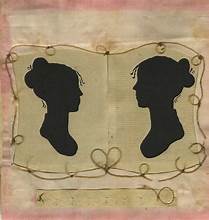
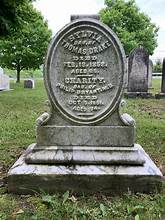
Rachel Cleves’s Charity and Sylvia: A Same-sex Marriage in Early America dives into the lives of two lovers, Charity Bryant and Sylvia Drake allowing us to understand the individual factors that led to this 44-year relationship that their community considered practically a marriage between the two women by using contextual evidence, letters and poems. Cleves explains how the ideals of Independent America allowed women to peruse independence from men in a time when it was viewed negatively by much of society, as well as the specific efforts of Charity and Sylvia to maintain an open secret allowed them to be accepted by the community, they settled in. Cleves states that “Charity and Sylvia were among a pioneer generation of women at the beginning of the century who sought to shape independent lives as neither wives nor mothers.”1 She brings evidence starting from pre-Revolutionary America in the mid eighteenth century, to the mid nineteenth century of colonial America. She sets the stage of post-revolutionary America and its many changes in society that led to an increase in unmarried women.2 Including the acceptance of women’s education for the purpose of the “republican mother”, the shift to marrying for love,3 the wide acceptance of platonic romance,4 and the new generations desire for independence and individuality.
Cleves used contextual evidence and evidence from several letters and poems to piece together the lives of Charity and Sylvia and tell their personal stories. She conveys the message that same-sex relations were common and not entirely disapproved by society. The ideals of post-revolutionary, independent America were the catalyst to minority groups seeking freedom and independence. Without the individual situations of Charity and Sylvias youth during this time, they may not have been able to gain the education and independence that led to their meeting. As well as the new and growing society of a rural village that allowed the women to establish themselves as important and essential to the community.
1Rachel Hope Cleves, Charity and Sylvia: A Same-sex Marriage in Early America (Oxford University Press 2014): 199.
2Cleves, Charity and Sylvia, 43.
3Cleves, Charity and Sylvia, 61.
4Cleves, Charity and Sylvia, 40-41.